
Early Orthodontic Treatment for Children: Why Age 7 is the Golden Window
- Jun 19
- 12 min read
What if the best time to visit an orthodontist isn't when your child has a full set of adult teeth, but while they're still losing their baby ones? It's a common misconception that orthodontic care should wait until the teenage years. You might worry that starting early is an unnecessary expense or that it means your child will be in braces for a decade. We understand these concerns, especially when you're trying to distinguish between a general dentist and a specialist orthodontist here in Malta.
When we talk about the early orthodontic treatment children benefit from, we're looking at much more than just straight teeth. We're talking about a biological "growth hack" that uses your child's natural development to guide their jaw into the correct position. By reading on, you'll learn how this proactive approach can prevent the need for tooth extractions or invasive jaw surgery later in life. We'll walk you through the medical necessity of growth guidance and why age seven is the strategic moment to seek a specialist's perspective to ensure a healthy, functional smile for the future.
Key Takeaways
Learn why the American Association of Orthodontists recommends a first evaluation by age seven to monitor dental development during a critical growth phase.
Understand how early orthodontic treatment children receive focuses on guiding jaw growth and creating space for permanent teeth rather than just alignment.
Discover the vital connection between a narrow palate and airway health, which can help address issues like mouth breathing and paediatric sleep apnea.
Explore how functional and orthopaedic appliances use natural growth to correct skeletal issues, often helping your child avoid future tooth extractions.
Identify the subtle visual signs and functional habits you can spot at home that indicate it's time to consult a specialist orthodontist in Naxxar.
Table of Contents
What is Early Orthodontic Treatment? Understanding Phase 1 Care
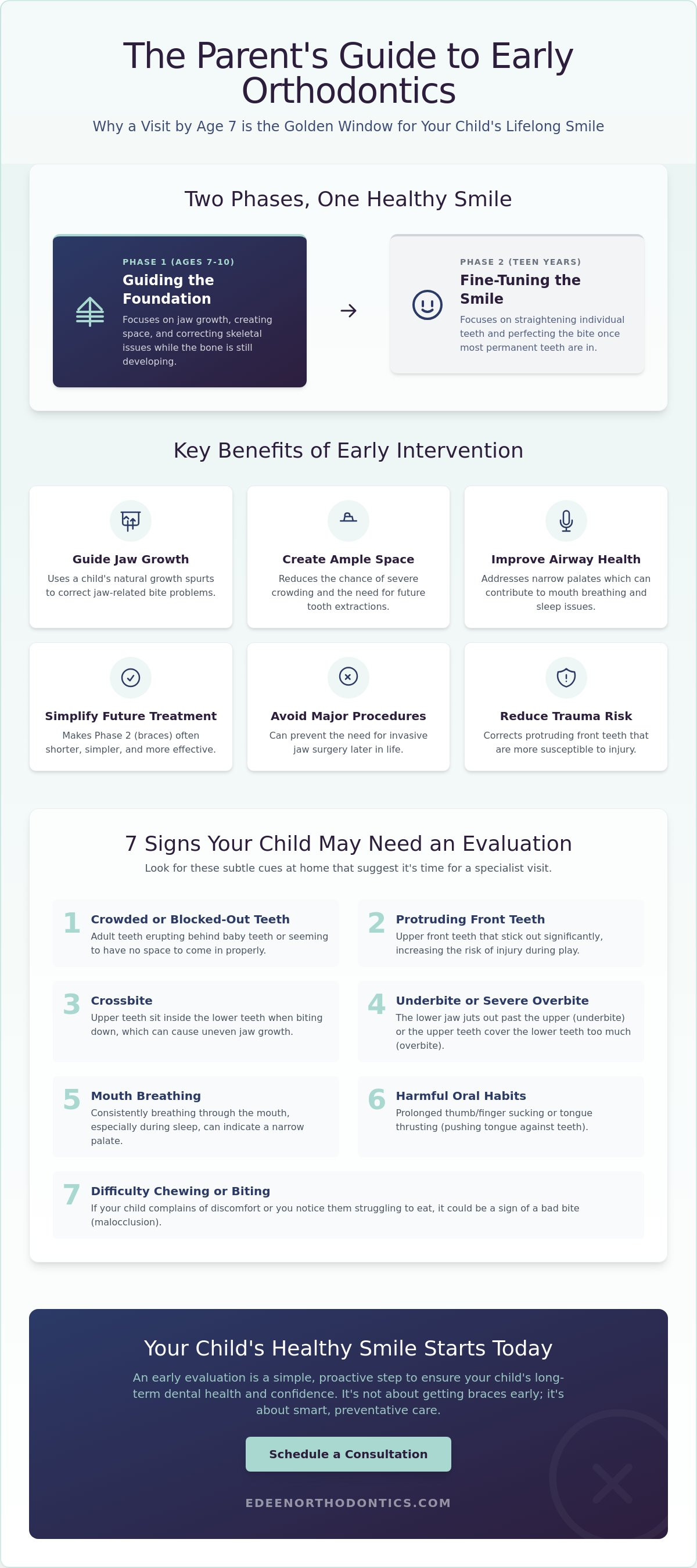
Interceptive orthodontics is the clinical term for treatments that begin while a child still has most of their primary teeth. It's often referred to as Phase 1 care. The American Association of Orthodontists recommends that every child receives an orthodontic screening by age seven. This specific age isn't a random choice. It's the developmental milestone where the first permanent molars usually erupt, establishing the "back bite" and allowing a specialist to evaluate the basic alignment of the jaw and the relationship between the upper and lower teeth.
The early orthodontic treatment children receive focuses on the architecture of the mouth. While Phase 2 treatment, which typically happens in the early teens, is what most people associate with "straightening teeth," Phase 1 is about guiding the growth of the jaw bone itself. Think of it as preparing the soil before planting the garden. If we ensure there's enough room in the jaw now, the permanent teeth have a much better chance of erupting naturally without severe crowding or impaction.
The Goal of Interceptive Orthodontics
The primary objective of this early phase is prevention and structural correction. By utilizing Pre-eruption guidance, we can manage the space in the dental arch to prevent permanent teeth from becoming "impacted" or stuck under the gums. We also look for specific skeletal discrepancies that are far easier to correct while the jaw is still pliable. Key goals include:
Creating Space: Ensuring there is enough room for erupting adult teeth to prevent painful crowding.
Skeletal Correction: Addressing underbites, overbites, or crossbites while the bone is still growing.
Reducing Trauma Risk: Correcting protruding front teeth that are more susceptible to injury during sports or play.
Why We Don’t Always Wait for Adult Teeth
Waiting until all adult teeth are present can sometimes mean missing a critical biological window. Children have softer bone tissue and are often on the cusp of significant growth spurts. This makes it the ideal time to use functional appliances that work with the child's natural growth to reshape the jaw. Addressing habits like thumb sucking or tongue thrusting at this stage is also vital. If left unchecked, these habits can cause permanent changes to the skeletal structure that might eventually require complex surgery or multiple tooth extractions to fix. By intervening now, we often simplify the second phase of treatment, making it faster and more comfortable for your child in the long run.
7 Signs Your Child May Need Early Orthodontic Intervention
Identifying the need for early orthodontic treatment children require starts at home. While you aren't expected to be a specialist, certain visual and functional cues are clear indicators that a professional evaluation is necessary. Many parents assume that if a child’s teeth look relatively straight, everything is fine. However, orthodontics is as much about the jaw and the bite as it is about the visible smile. Identifying these signs early can save years of treatment later. You might see a smile that looks acceptable, but a specialist sees the underlying skeletal foundation that may need guidance.
Early intervention isn't just about aesthetics. It's a proactive step to ensure your child's mouth is healthy and functional as they grow. When we catch issues at age seven, we're working with a pliable system that responds well to gentle guidance. Ignoring these signs can lead to more invasive procedures, such as extractions or even surgery, once the jaw has finished growing.
Dental Alignment Red Flags
During your daily brushing routine, look for severe crowding. If adult teeth are erupting behind baby teeth or seem "blocked out" from the arch, it's a sign that the jaw isn't wide enough to accommodate the full set of permanent teeth. Protruding front teeth, often called "buck teeth," are another significant concern. Beyond the aesthetic aspect, these teeth are significantly more likely to suffer trauma during physical activities or sports. You should also watch for large gaps that don't seem to close as the adult teeth emerge. This could indicate missing teeth or a mismatched jaw size that requires professional attention.
Skeletal and Functional Warning Signs
Functional issues are often more subtle but equally important for long term health. A crossbite, where the upper teeth sit inside the lower teeth when biting down, is a major red flag. This can cause the jaw to grow lopsided if left untreated. If you notice your child shifting their jaw to one side to chew, or if they struggle to bite into common foods, these are functional issues that need a specialist's eye. Speech patterns are another indicator. Persistent lisps or difficulty with "s" and "z" sounds can sometimes be traced back to dental architecture rather than just speech development.
Mouth breathing is a frequently overlooked sign. If your child constantly breathes through their mouth, it often correlates with a narrow upper arch. This can impact both their dental health and their overall quality of sleep. If you've noticed any of these signs, it's a good idea to speak with a specialist orthodontist to determine if interceptive care is needed. A professional screening ensures that even hidden issues are identified before they become complex, permanent problems.
Beyond a Straight Smile: Airway Health and Jaw Development
While many parents focus on the aesthetic results of braces, a specialist orthodontist looks far beyond the surface. The early orthodontic treatment children receive is often a medical necessity that addresses the very foundation of their facial structure. One of the most critical aspects we evaluate is the airway. Because the roof of the mouth also serves as the floor of the nasal cavity, a narrow or high arched palate can physically restrict the space available for breathing. This often leads to chronic mouth breathing, which can negatively impact facial development and long-term health.
Correcting a misaligned bite early also plays a significant role in preventing TMJ (temporomandibular joint) disorders. When teeth don't meet correctly, the jaw joint is forced to compensate, often leading to pain, clicking, or limited movement later in life. By addressing these discrepancies while the child is still growing, we can create a balanced system where the teeth, muscles, and joints work in harmony. This "whole face" approach ensures that we aren't just moving teeth, but supporting the overall health and symmetry of your child's profile.
Orthodontics and Sleep Quality
Sleep disordered breathing in young patients is a serious concern that often goes undiagnosed. If you notice your child snoring, gasping, or appearing excessively restless at night, it could be linked to their dental architecture. Expanding the upper jaw through interceptive care increases the volume of the nasal passage, making it easier for the child to breathe through their nose. In some cases, we may utilize specialized sleep appliances to help manage these issues early. This intervention can reduce the risk of paediatric sleep apnea and improve a child's quality of life by ensuring they get the deep, restorative sleep necessary for growth and learning.
Guiding Facial Symmetry
Underbites and overbites are much easier to manage when the jaw is still growing and the bone hasn't yet hardened. We use this natural growth window to balance the facial profile, often achieving results that would otherwise require invasive surgery in adulthood. Correcting these issues early helps the soft tissues of the face, like the lips and cheeks, rest in a more natural position. Functional and orthopaedic appliances apply gentle, consistent pressure to guide the growth of the jaw bones into a more harmonious relationship. This proactive guidance helps ensure that the lower and upper jaws develop in proportion, creating natural facial symmetry without the need for aggressive future interventions.
Orthopaedic and Functional Appliances: The Tools of Phase 1
Phase 1 care utilizes a sophisticated range of tools designed to work with a child's natural physiology. Unlike traditional braces, which primarily move teeth, functional appliances leverage the power of the child's own facial muscles to guide jaw development. This approach is central to the early orthodontic treatment children receive, as it addresses the skeletal foundation before the permanent teeth have fully emerged. By directing growth early, we can often correct discrepancies that would otherwise become permanent structural issues.
Palatal expanders are perhaps the most vital tool in our arsenal. These devices gently widen the upper jaw over several months, creating the necessary room for adult teeth to erupt without crowding. This proactive expansion is a key reason why many children can avoid the need for permanent tooth extractions later in life. Additionally, if a child loses a baby tooth prematurely due to decay or injury, we use space maintainers. These small, unobtrusive devices keep the surrounding teeth from shifting into the empty spot, ensuring the permanent tooth has a clear path to emerge.
Innovation has also reached paediatric care through clear aligner therapy. While many parents associate aligners with teenagers or adults, modern clear aligner systems offer specific protocols for Phase 1. These clear trays can address minor crowding and arch development while offering a removable, hygienic alternative to fixed metal components.
Fixed vs. Removable Appliances
The choice between fixed and removable tools depends on your child's specific anatomy and lifestyle. Fixed expanders are often preferred for consistent results because they don't rely on the child remembering to wear them. They provide steady, predictable pressure. Removable functional appliances, on the other hand, offer the benefit of easier cleaning and maintenance. We carefully evaluate each case to select the most effective tool that ensures a stress-free experience for both the child and the parent.
Maintaining Results with Retainers
Once the active phase of growth guidance is complete, we enter a critical "holding phase." This period is essential for monitoring the eruption of permanent teeth while keeping the newly created space open. We use specific types of retainers designed for the Maltese climate and lifestyle to ensure stability. This resting period isn't just about waiting; it's a strategic pause where we observe how the mouth matures, ensuring that the results of Phase 1 are preserved until the child is ready for Phase 2 if needed. If you're ready to explore these modern tools for your child, you can book an online consultation to discuss the best approach for their unique needs.
Your Child's Orthodontic Journey in Naxxar: What to Expect
Choosing the right environment for your child’s first orthodontic visit is just as important as the timing of the appointment itself. While your family dentist is essential for routine cleanings and cavity prevention, a specialist orthodontist has completed years of additional training focused exclusively on jaw growth and tooth movement. This distinction is vital when considering the early orthodontic treatment children need. In our Naxxar clinic, we don't just look at the teeth in isolation. We evaluate the entire craniofacial structure to ensure that every intervention supports long-term health and facial balance.
The first visit is designed to be a positive, stress-free introduction to the world of specialist care. We've moved away from the messy, traditional putty impressions that often cause anxiety for young patients. Instead, we use advanced digital scanning technology to create a precise 3D model of your child's mouth in minutes. This process is comfortable, fast, and allows us to show you exactly what's happening with your child's development on a screen. It’s an educational experience that helps children feel involved and empowered rather than overwhelmed.
The Specialist Difference in Malta
Dr. Emad Deen provides a personalized, supportive approach that prioritizes the emotional well-being of our young patients. We understand that every child in Malta has unique needs, and our local expertise allows for consistent, long-term follow-up appointments that fit into your family's schedule. By integrating modern technology like Invisalign and Spark Aligners into our Phase 1 protocols, we offer solutions that are as discreet and comfortable as they are effective. This commitment to modernization ensures that your child benefits from the highest standards of clinical care in a welcoming, patient-centric environment.
Next Steps for Parents
Preparing your child for their first visit is simple. Tell them the orthodontist is a "smile coach" who checks how their teeth are growing. There are no needles or scary tools involved in a consultation; it is purely an information-gathering session. You can start this journey from the comfort of your home by booking an online consultation to discuss initial concerns. If you prefer an in-person evaluation, our team is ready to guide you through every step of the process. Taking action now provides the peace of mind that comes from knowing your child's dental foundation is secure. You can Schedule a consultation for your child today to ensure they receive the growth guidance they need for a lifetime of healthy smiles.
Give Your Child the Advantage of a Healthy Foundation
Choosing to act early isn't about rushing into braces; it's about utilizing a unique biological window to guide your child's development. We've explored how identifying subtle signs by age seven can prevent invasive surgeries and address critical issues like airway health and sleep quality. By opting for the early orthodontic treatment children benefit from at this stage, you're investing in their long-term comfort and confidence.
Our modern digital clinic in Naxxar is equipped to provide comprehensive care that spans from Phase 1 growth guidance to advanced adult orthodontics. As a specialist practice with specific expertise in TMJ disorders and sleep apnea, we ensure every treatment plan considers the "whole face" for a balanced, functional result. This specialized approach ensures your child receives the highest standard of care right here in Malta.
If you're ready to take the next step, we invite you to Book a Specialist Consultation at our Naxxar Clinic. Our team is here to provide the expert guidance and personalized care your family deserves. Let's work together to build a functional, beautiful smile that lasts a lifetime.
Frequently Asked Questions
What is the best age for a child to see an orthodontist?
The best age for a child's first orthodontic evaluation is seven years old. This specific timing is recommended by the American Association of Orthodontists because it's when the first permanent molars typically erupt, establishing the back bite. Screening at this stage allows a specialist to identify potential skeletal issues while the jaw is still growing and pliable.
Does my child really need braces if they still have baby teeth?
Your child might need intervention even with baby teeth present if there are structural issues like a crossbite or severe crowding. This is known as Phase 1 or interceptive care. The early orthodontic treatment children receive at this stage focuses on guiding jaw growth and creating space, which is often more effective than waiting for all adult teeth to appear.
How long does early orthodontic treatment usually last?
Phase 1 treatment typically lasts between 10 and 15 months. The exact duration depends on the specific goals of the intervention, such as widening a narrow palate or correcting a functional bite issue. Once this active phase is complete, your child enters a resting period where we monitor the natural eruption of their remaining permanent teeth during regular check-ups.
Can early treatment prevent the need for jaw surgery later?
Early intervention can significantly reduce the likelihood of needing invasive jaw surgery in adulthood. Because a child's jaw bones are still growing, we can use orthopaedic appliances to guide their development into a more harmonious relationship. If we wait until growth is complete, these skeletal discrepancies often require surgical correction to achieve a functional and healthy bite.
Will my child still need braces as a teenager if they have Phase 1 treatment?
Most children who undergo Phase 1 treatment will still require a second phase of braces or aligners as teenagers. However, this second phase is usually much shorter and far less complex. Because the jaw foundation was corrected early, Phase 2 focuses on fine-tuning the alignment of individual teeth rather than making major structural or skeletal changes.
Is early orthodontic treatment painful for young children?
Interceptive orthodontics is not painful, though your child might feel some pressure or minor discomfort when an appliance is first fitted or adjusted. We prioritize a stress-free experience and use modern, low-profile devices to minimize irritation. Most children adapt quickly to their new appliances within a few days and continue their daily activities and school life without any issues.
How much does early orthodontic treatment cost in Malta?
The cost of orthodontic care in Malta depends on the complexity of the case and the specific appliances required for your child. While we don't provide fixed pricing without a clinical evaluation, many parents find that Phase 1 is a strategic investment. By addressing issues early, you often avoid more expensive and complex treatments, such as tooth extractions or jaw surgery, later in life.
Can thumb sucking cause a need for early orthodontics?
Persistent thumb sucking or pacifier use can lead to a narrow upper arch and protruding front teeth, which often necessitates early intervention. These habits put constant pressure on the developing jaw and can change the shape of the roof of the mouth. Correcting these skeletal changes at age seven or eight helps restore a natural growth pattern before the habit causes permanent damage.


Comments